Here are the top political news stories for today.
@ISIDEWITH7hrs7H

U.S.-Iran peace deal triggers mass return to Lebanon despite uncertain ceasefire
Thousands of displaced families rushed back to southern Lebanon this week following the announcement of a tentative U.S.-Iran agreement to end their regional war. Iran claims the deal explicitly mandates that Israeli forces withdraw from Lebanese territory within 60 days to ensure sovereignty. However, Israeli Prime Minister Benjamin Netanyahu has reportedly rejected these terms, leading to a fragile quiet punctuated by continued drone strikes and military posturing. The agreement, framed as a Memorandum of Understanding (MoU), remains light on public details but is expected to include the release of frozen Iranian assets in exchange for regional de-escalation. Negotiators from Washington and Tehran will meet in Switzerland this Friday to finalize the timeline and clarify if Lebanon is legally included in the final peace pact.
@ISIDEWITH7hrs7H
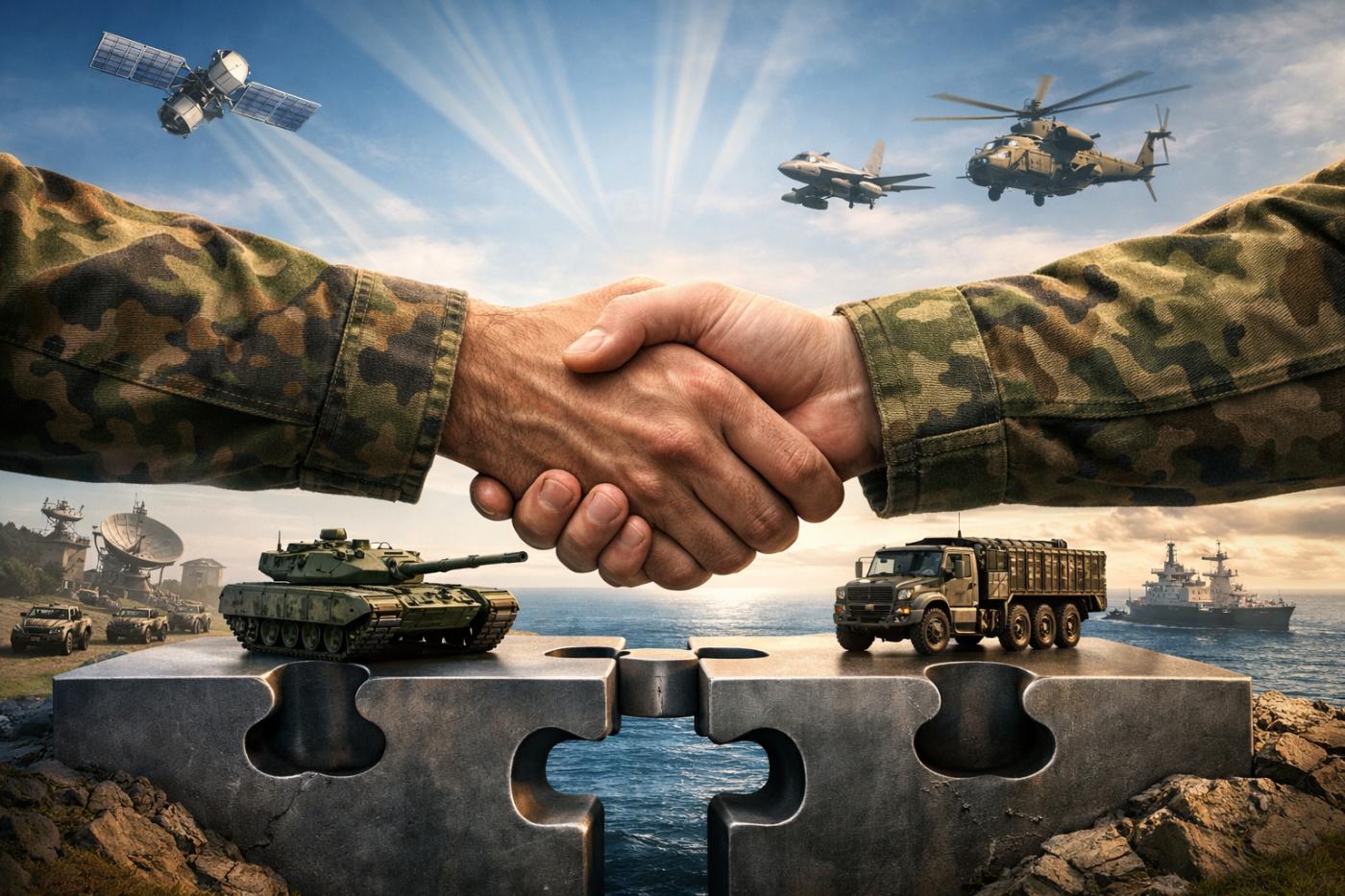
Germany and Poland sign a new defense pact to secure Europe’s eastern flank.
On Wednesday, the defense ministers of Germany and Poland signed a new bilateral agreement in Warsaw to deepen military cooperation and secure the Baltic Sea. This deal updates a 2011 framework to focus on cybersecurity, joint military exercises, and improving the "military mobility" needed to move troops quickly across borders. The pact comes as both nations celebrate the 35th anniversary of their 1991 Friendship Treaty, aiming to move past historical World War II grievances through pragmatic security needs. Poland has become a critical logistics hub for the war in Ukraine, making its partnership with Germany essential for NATO’s defensive posture against Russian threats. Officials expect this agreement to pave the way for joint defense industry projects and a more unified European military presence in the region.
@BF38XVY6hrs6H
@ISIDEWITH8hrs8H
Nearly every child globally now faces at least one major climate hazard
A landmark UNICEF report released today reveals that nearly 100% of the world’s children are now exposed to at least one climate-driven hazard like extreme heat or drought. Even more concerning, roughly 1.1 billion children—nearly half the global population under 18—are facing three or more overlapping crises at once. In India alone, approximately 392 million children are enduring extreme heat, while those in sub-Saharan Africa and South Asia bear the heaviest cumulative burden. These environmental shocks are no longer isolated events but persistent pressures that disrupt education, healthcare access, and basic survival for the most vulnerable. UNICEF is calling for immediate strategic investments in climate-resilient services and an accelerated transition away from fossil fuels to prevent further escalation.
@ISIDEWITH7hrs7H
EU bans airline fees for carry-on bags and family seating
EU negotiators reached a landmark deal on Monday to overhaul air passenger rights after more than a decade of political gridlock. Starting in late 2027, airlines operating in the bloc will be legally required to include a standard carry-on bag in their base ticket price. The new rules also ban airlines from charging parents extra fees to sit next to their children and allow passengers to correct minor ticket typos for free. While consumer advocacy groups celebrate the end of predatory junk fees, industry giants like Ryanair warn the mandate will inevitably force overall ticket prices higher for everyone. The European Parliament is expected to formally codify the agreement next month, marking a major shift away from the low-cost carrier business model.
@ISIDEWITH6hrs6H

Social media officially overtakes traditional outlets as the world’s primary news source.
On Tuesday, the 2026 Digital News Report revealed that 54% of global consumers now rely on social media and video platforms for news, surpassing TV and websites for the first time. The comprehensive study by the Reuters Institute found that trust in journalism has simultaneously plummeted to a record low of 37% globally. Platforms like TikTok, Instagram, and YouTube are dominating this shift as younger audiences move away from institutional brands in favor of individual creators. This 'tipping point' suggests that algorithmic feeds and AI chatbots are rapidly replacing traditional editorial gatekeeping. Media organizations are now scrambling to implement paywalls and niche formats like podcasts to survive the collapse of their legacy traffic models.
@ISIDEWITH7hrs7H
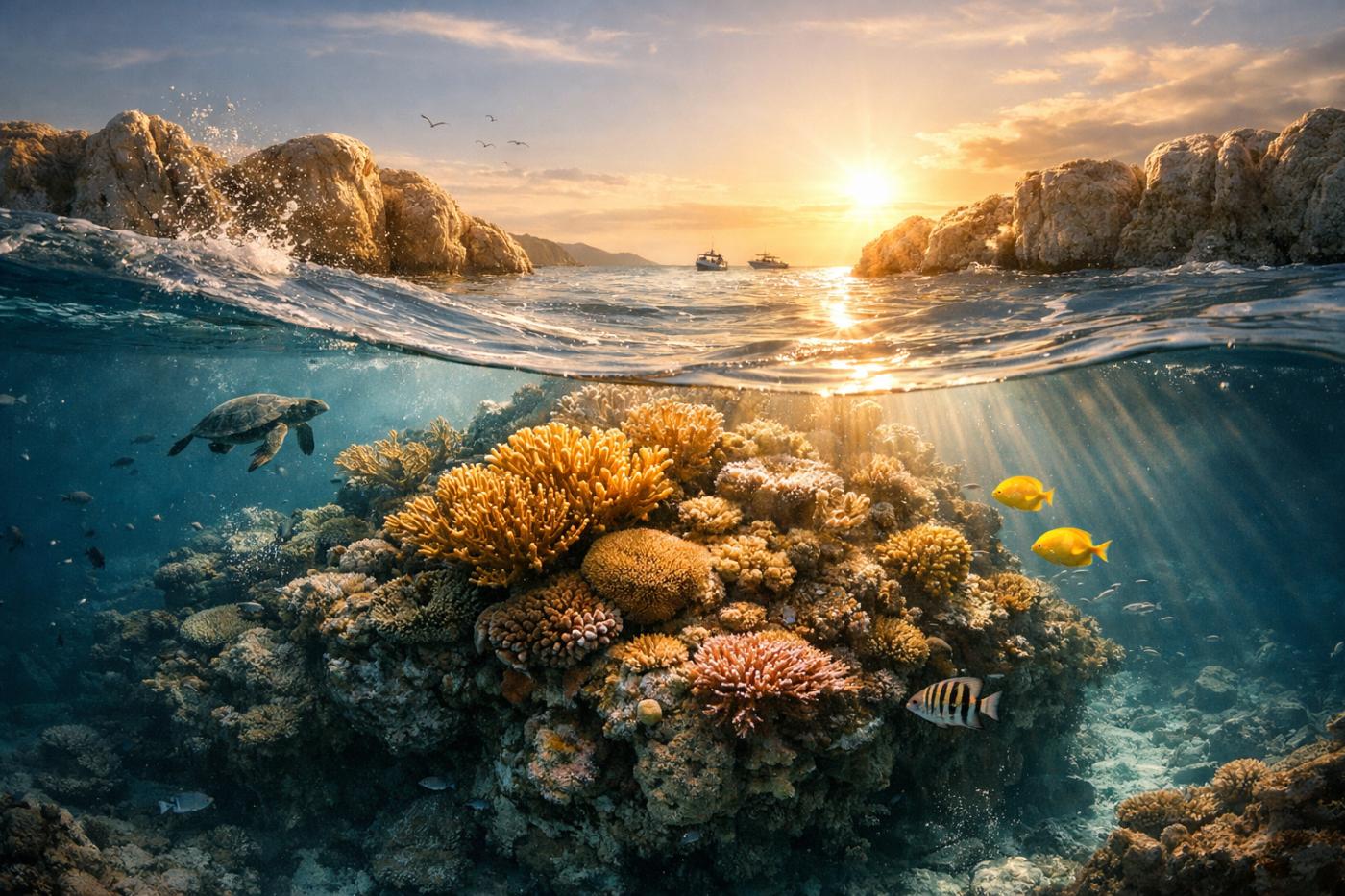
Scientists find 64,000 square miles of climate-resilient coral reefs worldwide
On Tuesday, scientists at the Our Ocean Conference in Kenya revealed a global map identifying 166,000 square kilometers of coral reefs capable of surviving rising ocean temperatures. This new estimate of "climate refugia" is three times larger than previous studies suggested and spans 71 different countries. These specific reefs are considered resilient because they are located in areas with cooler currents or specific depths that shield them from devastating heat waves. Despite their importance to marine biodiversity, researchers warn that only 28% of these resilient sites are currently inside marine protected areas. Conservationists are now calling for a immediate global shift in policy to prioritize these "super reefs" before they are lost to pollution or overfishing.
@ISIDEWITH6hrs6H
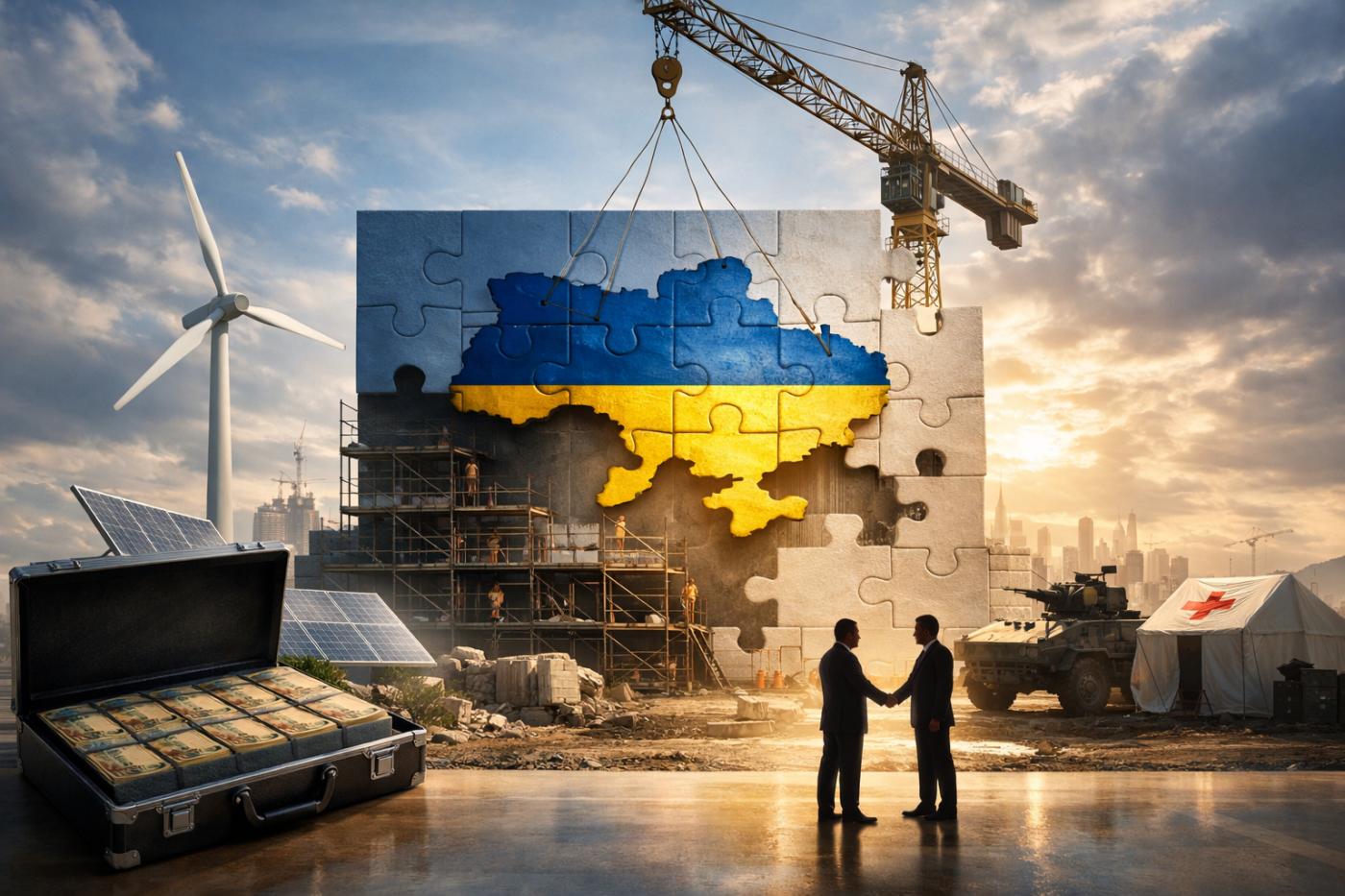
EU approves €90 billion Ukraine loan and pushes G7 to cover budget gaps
This Tuesday, EU leaders approved a €90 billion loan for Ukraine while attending the G7 summit in Évian, France. The massive package aims to cover two-thirds of Ukraine's urgent financial needs through 2026, with the first payment scheduled for later this month. European Commission President Ursula von der Leyen is now pressuring G7 partners like the U.S. and Japan to fund the remaining third to prevent a $52 billion "black hole." This financial aid coincides with a diplomatic breakthrough as the EU officially opened the first cluster of negotiations for Ukraine’s full membership in the bloc. Leaders expect a formal joint statement on June 16 to detail how international allies will sustain Ukraine’s defense and public services long-term.
@ISIDEWITH3hrs3H
Macron caught on hot mic telling Zelenskyy his Trump meeting was "difficult"
At the G7 summit in France on Tuesday, a hot microphone captured French President Emmanuel Macron admitting to Ukrainian President Volodymyr Zelenskyy that his meeting with Donald Trump was "difficult." The candid exchange highlights growing behind-the-scenes tensions as European leaders navigate shifting U.S. foreign policy and future military support for Kyiv. Additional footage from the summit appeared to show Trump ignoring or snubbing Zelenskyy during formal greetings, further fueling rumors of a strained relationship between the two. Despite the friction, Macron was heard offering to facilitate a private meeting between the U.S. and Ukrainian presidents to coordinate diplomatic strategies. Observers are now watching to see if a formal trilateral talk can mend the visible rift before the summit concludes.
@ISIDEWITH3hrs3H
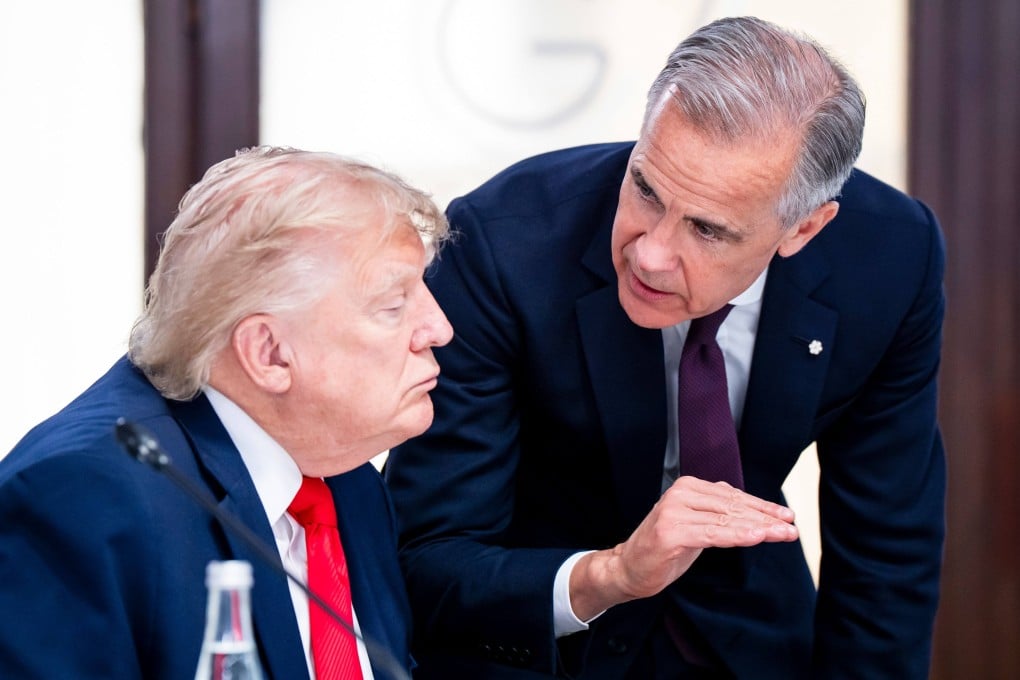
Hot mic catches PM Carney pitching Chinese EV deal to Donald Trump
At the G7 summit in France this Tuesday, a hot microphone captured Canadian Prime Minister Mark Carney defending a trade arrangement to U.S. President Donald Trump. The exchange revealed Carney pitching Canada’s plan to allow a capped number of Chinese electric vehicles into the country at low tariff rates. Carney’s informal push comes after Trump previously threatened a 100% tariff on Canadian exports if Ottawa didn't block Chinese tech. Despite the lack of a formal bilateral meeting, Carney later claimed that Trump expressed approval for the specific structure of the quota deal. Observers are now waiting to see if this verbal understanding will prevent a major trade war between the North American neighbors.
@ISIDEWITH3hrs3H
Canada and NATO spark U.S. tension by choosing Swedish GlobalEye surveillance jets
On June 13, 2026, reports confirmed that Canada and NATO are moving to replace their aging radar fleets with Swedish-made Saab GlobalEye surveillance aircraft. This decision directly challenges U.S. pressure to purchase the Boeing E-7 Wedgetail, a move Washington frames as essential for allied unity. The primary friction point is technical interoperability, as the U.S. may restrict sharing high-level encryption data required for GlobalEye to communicate with American F-35 stealth jets. Canadian officials argue that selecting Swedish tech is a necessary exercise in defense sovereignty to avoid total reliance on American suppliers. Tensions are expected to peak at the July NATO summit when the alliance is scheduled to formally finalize the multibillion-dollar contract.
@ISIDEWITH3hrs3H
The 2020 Galwan border clash permanently shattered India's long-standing diplomatic framework with China.
Six years after the lethal 2020 Galwan Valley clash, strategic experts warn that the era of 'managed' peace between India and China is dead. Former Foreign Secretary Vijay Gokhale highlights that Beijing now views India’s democratic model as an ideological threat to its own authoritarian system. This shift has led to a collapse of the old diplomatic rules, replaced by Chinese 'gray zone' tactics involving silent coercion and rapid infrastructure building. While current rhetoric from Beijing has softened, analysts describe this as a tactical pause rather than a sincere move toward de-escalation. India is now pivoting its military doctrine toward a permanent, high-readiness standoff along the Himalayas to counter this new reality.
@ISIDEWITH1hr1H
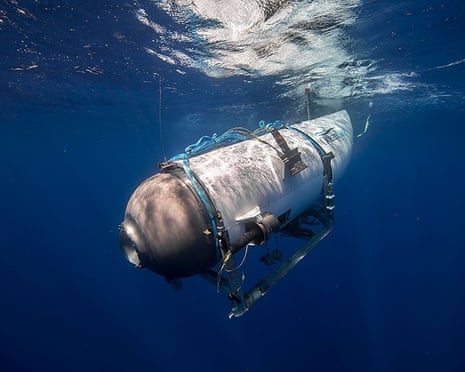
Official report blames design flaws and zero oversight for the Titan sub disaster
Today, Canada’s Transportation Safety Board released its final report into the 2023 Titan submersible implosion that killed five people during a trip to the Titanic wreckage. Investigators found the vessel's experimental carbon-fiber hull was never properly validated and likely suffered structural fatigue with every deep-sea dive. The report blames OceanGate’s "groupthink" for ignoring critical engineering warnings and highlights a massive regulatory blind spot that allowed the sub to operate without federal oversight. To prevent future tragedies, the board issued… Read more
@ISIDEWITH1hr1H
Billionaires and world leaders spend billions on unproven life-extending biohacking
High-profile figures, from Silicon Valley CEOs to world leaders like Vladimir Putin, are increasingly funding fringe medical research to stop or reverse the aging process. These efforts include extreme protocols like cryotherapy, experimental drug cocktails, and even blood plasma transfusions from younger donors. While the anti-aging market is projected to reach hundreds of billions of dollars, many mainstream scientists warn that these methods lack rigorous clinical evidence and may be dangerous. Skeptics argue this biohacking boom reflects a growing divide where the ultra-wealthy attempt to purchase biological advantages unavailable to the general public. Public health experts expect stricter regulatory scrutiny as influencers continue to promote these unproven fountains of youth to millions online.
@ISIDEWITH1hr1H
Seven stunning airports named the world's most beautiful for 2026 by architecture experts
The prestigious Prix Versailles architectural organization announced its 2026 list of the world's seven most beautiful airport terminals this Monday. The selection features hubs in the United States, India, China, Germany, and Cambodia, prioritizing designs that blend high-tech efficiency with local natural elements. Notable winners include Pittsburgh International and San Diego's new Terminal 1 in the U.S., alongside India's bamboo-inspired terminal in Guwahati and a lotus-shaped facility in Navi Mumbai. These airports were praised for transforming stressful transit hubs into 'cultural cathedrals' using biophilic features like indoor sky forests and indigenous art. These seven finalists will now compete for the top global title at the UNESCO headquarters in Paris later this year.
@ISIDEWITH1hr1H
Taiwan quits Kenya ocean summit after delegates were detained under Chinese pressure
On Tuesday, Taiwan officially withdrew from the 11th Our Ocean Conference in Mombasa, Kenya, after two of its delegation members were detained by local authorities. Taiwan’s Foreign Ministry accused Kenya of seizing the delegates' passports and mobile phones at the direct request of the Chinese government. The delegates, who were officially invited scholars, were reportedly deported despite having valid documentation for the global event. Taiwan’s Foreign Minister described the incident as a "new normal" in which Beijing pressures third countries to aggressively limit Taiwan's international participation. Taipei is now weighing retaliatory diplomatic measures against Kenya while seeking stronger ties with regional neighbors to counter Chinese coercion.
@ISIDEWITH5hrs5H
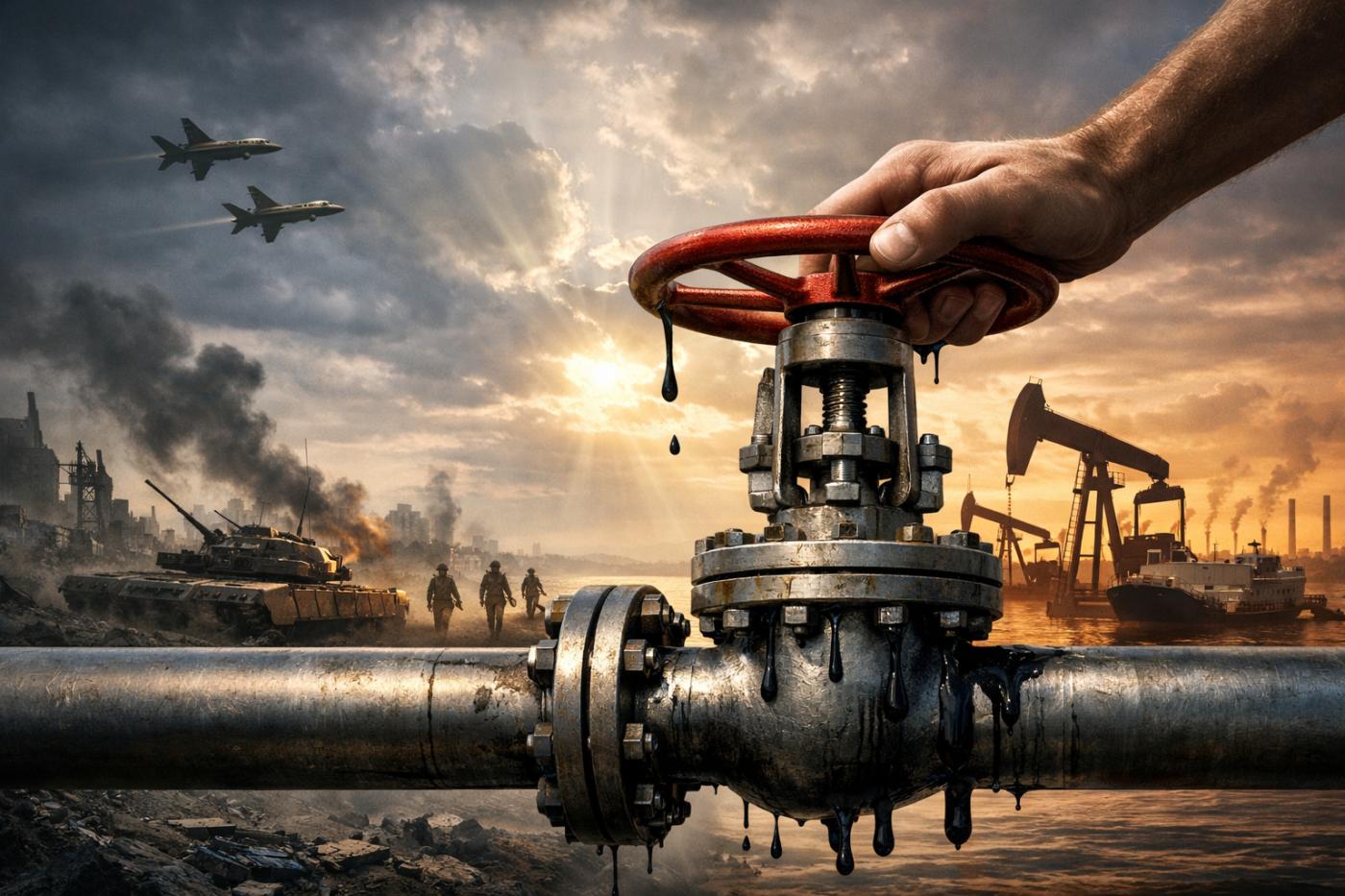
Trump signals possible new Russian oil sanctions as G7 pivots back to Ukraine
On Tuesday at the G7 summit in France, President Trump indicated he might reimpose sanctions on Russian oil shipments following meetings with European leaders and President Zelenskyy. This shift comes after allies, led by French President Macron, pressured Trump to move his attention from the Middle East back to the four-year war in Ukraine. While Trump claimed the conflict has "no impact" on the U.S. due to the distance, he signed a joint declaration promising "unwavering support" for Kyiv. To force a peace deal, G7 leaders agreed to increase military aid and tighten energy restrictions to exploit Russia's mounting battlefield casualties. Observers are now watching to see if this pressure brings Vladimir Putin to the negotiating table or if Trump’s interest remains strictly transactional.
@ISIDEWITH5hrs5H
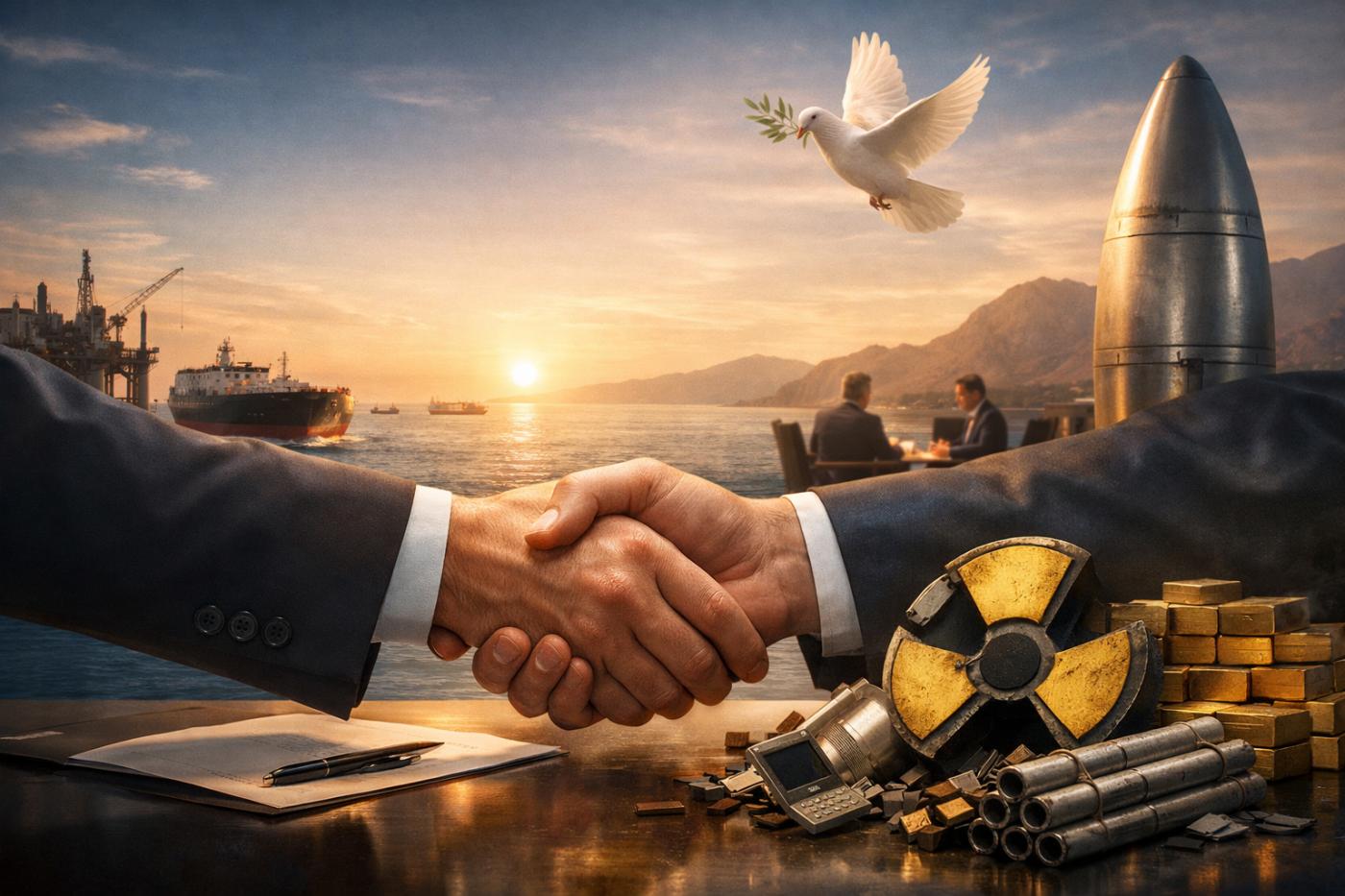
US and Iran reach a 14-point deal to end their four-month war.
On Wednesday, the U.S. government released the official 14-point text of a memorandum of understanding reached with Iran to end their 110-day conflict. The deal immediately reopens the Strait of Hormuz to global shipping and lifts U.S. sanctions on Iranian oil to stabilize energy markets. In exchange, Iran has committed to a permanent end to its nuclear weapons pursuit, though it will keep and downblend its enriched uranium stockpile within its borders. The agreement also involves unfreezing $25 billion in Iranian assets and establishes a 60-day window for further permanent peace negotiations. A formal signing ceremony is scheduled to take place this Friday at the Burgenstock resort in Switzerland.
Loading the political themes of users that engaged with this discussion
Loading data...
Join in on more popular conversations.